

By Trudy Tumusime
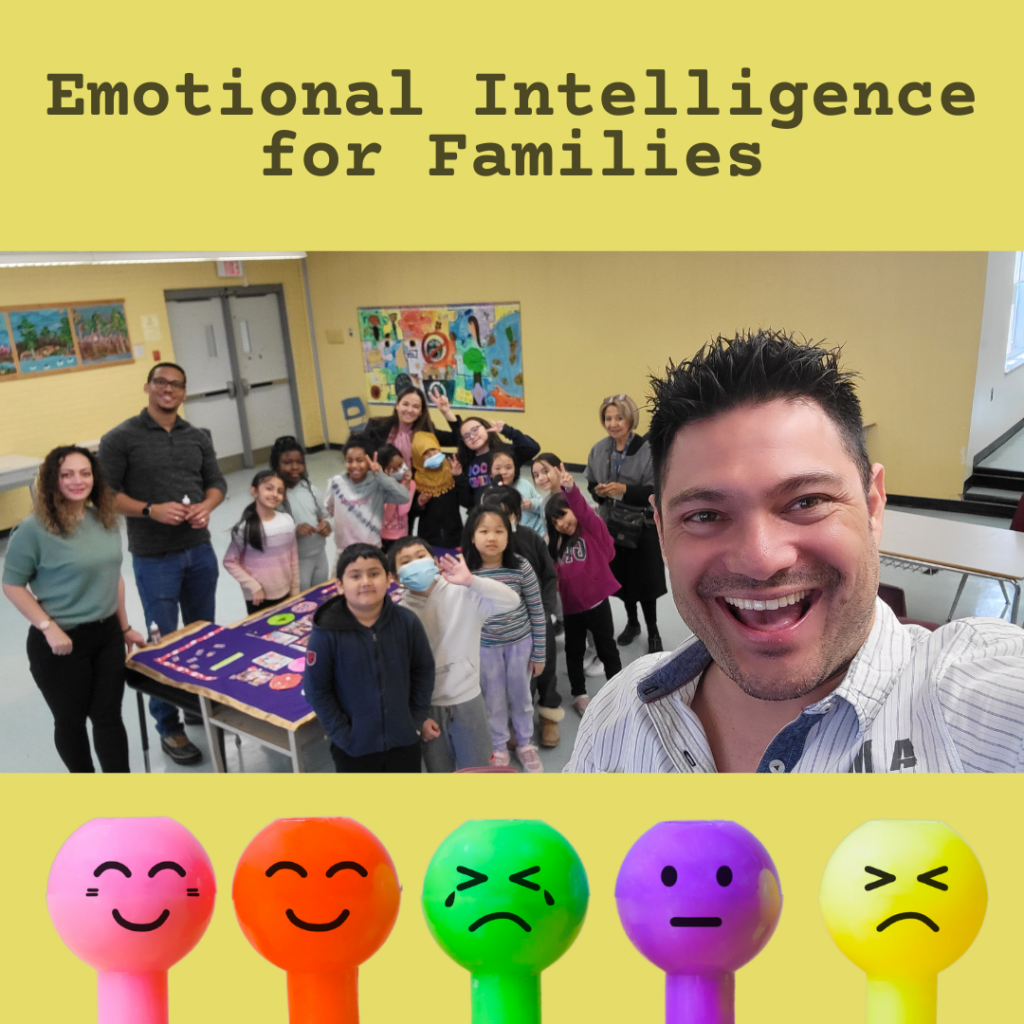
During the pandemic, many children missed out on the essential skill of socialization as they mostly studied from home. In the post-pandemic period, our Mental Health team recognized the need to address this challenge and assisted families in responding effectively to such situations. Four placement students developed, delivered and supervised the Emotional Intelligence program for kids and their parents at Stanley Public School in North York.
Children needed to learn about their emotions and how to deal with them,” says Bita Hedayati, a registered psychotherapist and mental health counselor at the Centre. “The focus was on fostering empathy and compassion in this program,” she adds.
For six weeks, starting in January 2023, thirteen families participated in the program. During each weekly session, children spent an hour interacting, discussing, and learning grounding techniques, body relaxation, and breathing exercises to manage emotions. They also engaged in activities involving their five senses and defined the intensity of their feelings on a scale, among other activities.
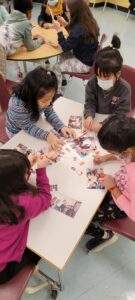
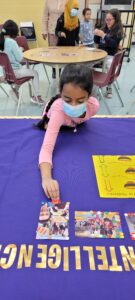
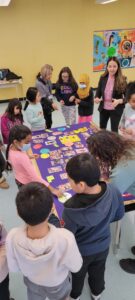
The facilitators, all mental health placement students from our Bridge to Registration and Employment in Mental Health (BREM) program, used various creative methods such as writing, speaking, painting, and play to teach children how to identify and express their emotions. Simultaneously, parents engaged in weekly one-and-a-half-hour Zoom sessions to share and learn together about understanding the children’s emotions and how to provide support.
As part of their homework, children were encouraged to interact with their parents and share what they had learned in the in-person sessions when they returned home. This facilitated communication between parents and children and reinforced the lessons from the program.
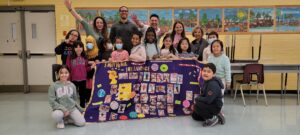

The children were fully involved in the program, but most parents could not fully participate due to various reasons, such as being busy with work. Bita says,
Although some parents were unable to attend all sessions, they were happy that their kids were involved and engaged.”
After six weeks, we received feedback from the children expressing their happiness about learning how their brains function and how to regulate emotions. They all showed a keen interest in attending the program again. In the future, the Mental Health team intends to involve parents in-person as well. In cases where parents are unable to attend in-person, the plan is to introduce an asynchronous course that allows them to go through the material at their own pace and time, ensuring they can cover what their children learned in person. The teachers also shared their observations regarding the positive changes in behavior they noticed in their classrooms.
Bita says,
In our modern-day, we learn about so many different topics at school, yet emotional intelligence is often overlooked despite us being emotional creatures as human beings. Specific courses that aid children in understanding their emotions, as well as those of others around them, are lacking. It’s essential to teach children how to effectively deal with their emotions, how to respond thoughtfully rather than react impulsively to these emotions. Incorporating emotional intelligence into the education system from childhood is crucial.”